
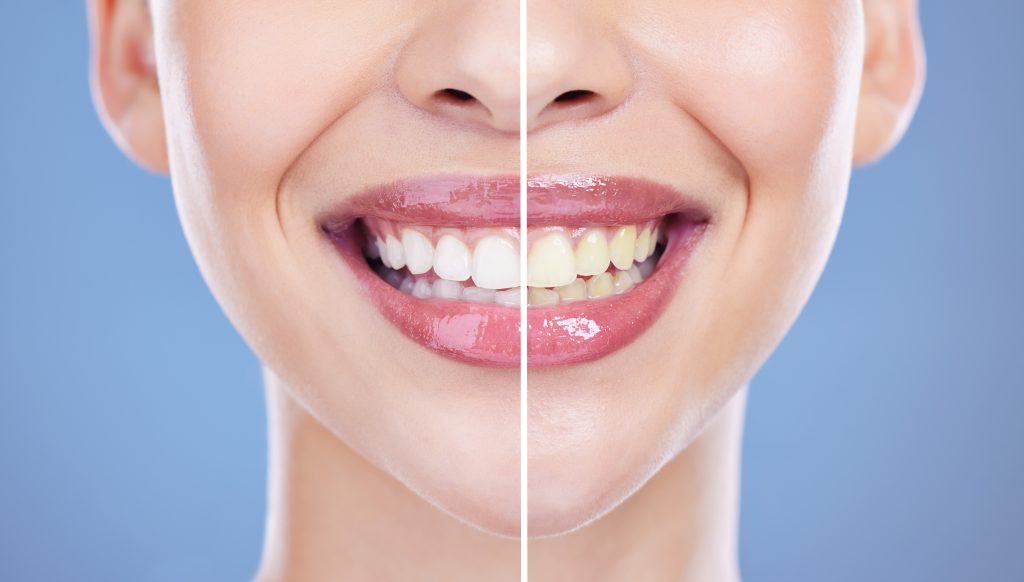
If you’ve been catching your smile in the mirror and wishing your teeth looked a little brighter, you’re not alone. With weddings, graduations, vacations, and family photos popping up in late spring and summer, it’s a common time to explore teeth whitening. The good news is that you have options, and many of them are safe and effective when you choose the right fit for your smile.
At Lanie Family Dentistry in Bargersville, we love helping patients feel confident without feeling overwhelmed. Whitening should feel simple, comfortable, and informed. Below, we’ll walk through what causes tooth discoloration, what whitening can and can’t do, and how to avoid common mistakes so you can move forward with a plan you feel good about.
What causes tooth discoloration and yellow teeth?
Tooth color changes for a few different reasons, and understanding the “why” helps you pick the best approach for stain removal. Some changes happen on the outside of the tooth, and others happen deeper in the tooth enamel over time.
Here are a few common culprits:
- Surface stains from coffee, tea, and red wine, along with dark sauces and certain berries
- Tobacco use, which can leave stubborn staining that builds over time
- Normal wear that can make enamel thinner, allowing more yellow tones to show through
- Medication-related tooth shade changes (your dentist can help you understand whether whitening will be effective)
It’s also normal to have various factors involved at once. Many people have a mix of years of stains plus natural changes that come with time, which is why a personalized plan often brings better results than guessing with random products.
How does teeth whitening actually work?
Whitening uses a bleaching ingredient (a whitening agent) to lighten the shade of natural teeth. Most whitening products rely on hydrogen peroxide or carbamide peroxide as the active ingredients. These ingredients help break up stain molecules so your teeth can look brighter and more even in color.
You’ll see whitening described in lots of ways, from a quick whitening effect to dramatic results. What’s realistic depends on your starting point, your tooth shade goals, and how your teeth respond. A healthy approach focuses on effective results that still protect your comfort and long-term oral health.
Because whitening works on natural tooth enamel, we also consider anything that is not natural enamel. Crowns, veneers, and some fillings do not whiten the same way, which can impact the final look of your smile.
Should you try whitening strips, a whitening kit, or professional whitening treatments?
It’s easy to feel stuck staring at shelves of counter products that all promise a white smile. Here’s a simple way to think about it: over-the-counter options can be convenient for mild staining, but professional guidance helps you match the method to your teeth and reduce avoidable side effects like gum irritation.
Over-the-counter whitening options
Products like whitening strips or a box whitening kit are popular because of their ease of use and easy application. They typically use lower percent hydrogen peroxide (or similar bleaching ingredients) and may take longer for visible results.
That said, fit matters. If strips slide around or the gel spreads onto your gum tissue, you may notice more sensitivity or irritation. And if you already have sensitive teeth, you may need a gentler plan.
Professional whitening treatments
Some offices offer in-chair methods, and patients often ask about brand-name systems like Philips Zoom and whether light therapy is involved. Options vary by office, so it’s always worth asking what is offered at your dentist’s office and what the process looks like.
At Lanie Family Dentistry, we offer custom take-home whitening trays, which many patients appreciate for comfort and control. Custom-fit trays can support a more even result because the whitening gel stays where it should, around your teeth, rather than pressing into your gums.
Is teeth whitening safe for your tooth enamel and gum tissue?
When whitening is chosen thoughtfully and used as directed, it’s widely considered safe for most people. The American Dental Association recommends paying attention to product quality and directions, and you may see some products marketed with an ADA Seal of Acceptance. That can be one helpful sign that a product meets certain safety and effectiveness standards.
Here’s what we focus on for safety and comfort:
- Protecting your tooth enamel by avoiding overuse and using appropriate strength
- Watching for gum irritation by improving fit and applying gel carefully
- Planning around existing dental work so your final tooth color looks natural and balanced
- Supporting overall dental care and oral health before, during, and after whitening
If you are prone to canker sores, gum tenderness, or sensitivity, talk with dental professionals before you start. A small adjustment in your routine can make a big difference in comfort.
Why do some people get tooth sensitivity from whitening gel?
Tooth sensitivity is one of the most common concerns with any whitening process, even when you do everything “right.” Whitening gel can temporarily make your teeth more reactive to cold air or drinks, especially if you already have exposed areas near the gumline or you’re using higher concentrations.
The good news is that this sensitivity is usually temporary, and there are ways to make it easier:
- Use a toothpaste designed for tooth sensitivity
- Ask about soothing ingredients like potassium nitrate, which is commonly used to calm sensitivity
- Follow instructions for minutes of wear and frequency so you don’t overdo it
- Take short breaks if recommended by your dentist
At our office, we’ll also check that your teeth and gums are healthy before you begin, because untreated cavities or irritated gums can make whitening feel much more uncomfortable than it needs to.
What should you check before starting teeth whitening?
You’ll get the best results when whitening is planned around your whole smile, not just the color you want. This is where a quick exam and a conversation about your goals can save you time and frustration later.
Before you start, it helps to consider:
- Your current tooth shade and what “natural-looking” white teeth means to you
- Whether you have restorations like crowns or tooth-colored fillings that will not lighten
- Any history of tooth sensitivity, dry mouth, or gum tenderness
- The likely length of time it will take based on the type of staining and your routine
What if whitening won’t match my crowns or fillings?
If you have dental work on front teeth, whitening can create a mismatch between your natural enamel and the restoration. We can help you plan for tooth shade changes and discuss whether replacing certain restorations after whitening is worth considering for a more consistent look.
What is the custom trays whitening process at Lanie Family Dentistry?
If you choose whitening with us, you can expect a supportive, step-by-step experience that keeps things clear and manageable. We take time to get to know you and explain your options clearly, so you always know what to expect.
Our take-home approach includes two visits:
- Visit one: Dr. Lanie examines your teeth to confirm whitening is a good fit and checks for any issues to address first. We take impressions so your custom trays can be made to fit your teeth comfortably.
- Visit two: We check the fit of your trays and provide your whitening agent with instructions. You’ll wear the trays for either 30 minutes twice a day, or overnight, for a couple of weeks depending on how much whitening you need.
Many patients like this option because the trays are made specifically for you. That can help the gel stay in place and support best results while reducing mess and irritation.
How can you keep a whiter smile longer?
Whitening is not permanent, so maintaining your results matters. Drinks like coffee, tea, and wine can re-stain enamel over time. The key is building a realistic plan for touch-ups and daily habits, with prevention leading the way.
A few simple tips that support a brighter smile:
- Rinse with water after coffee or red wine when you can
- Keep up with regular cleanings for ongoing stain removal
- Use a straw for darker beverages when practical
- Ask us about touch-up timing and how to store and care for your trays
You may also hear about home remedies like coconut oil or dead sea salt. These are often discussed online, but they do not work the same way peroxide-based whitening does, and some abrasive methods can be rough on enamel. If you’re curious, we’re happy to talk through what is safe for your teeth and what aligns with your goals for a healthier smile.
Ready for a brighter, more confident smile?
You deserve answers that feel clear and a plan that feels comfortable. If you’re considering teeth whitening, our team at Lanie Family Dentistry is here to guide you with personalized recommendations, honest expectations, and support from start to finish.
Contact our office to schedule a visit and learn whether our custom tray whitening option is the right next step for your whiter teeth and brighter smile.