
You know your own mouth. So when your bite feels off, it can be distracting, uncomfortable, and confusing. Maybe your teeth don’t meet the way they used to, or chewing feels uneven. You might even notice jaw tension, pain, or headaches connected to how your teeth come together.
At Lanie Family Dentistry in Bargersville, IN, we see bite issues often. The good news is that many underlying causes are straightforward once you get a clear diagnosis. We take the time to listen, look closely, and help you understand what’s happening so you can feel confident about your treatment options.
What does it mean when your bite feels off?
When your bite feels off, it usually means your bite alignment has changed, even if the change seems small. Your upper and lower teeth may be touching in a new way, or your jaw movement may be guiding your teeth into a slightly different position. This can create uneven pressure, make certain teeth feel “high,” or cause sensitivity when chewing forces hit one spot harder than it’s designed to handle.
Your bite depends on many parts working together: teeth alignment, the dental arch, the temporomandibular joint (TMJ), and the surrounding muscles. When one piece shifts, your whole system can react. Paying attention early often helps you avoid bigger issues over time.
Common causes of bite changes (and why they matter)
Bite changes can happen for various reasons, and they aren’t always dramatic. You might notice your bite feels “weird,” your front teeth touch first, or your lower teeth feel crowded. Sometimes it’s a gradual shift, and sometimes it’s sudden.
Here are some common causes we look for during a professional evaluation:
- Recent dental work: A new filling, crown, or other restoration can change how your teeth meet if the bite needs adjustment.
- Clenching or grinding (bruxism): This can wear down enamel, change tooth shape, and create jaw tension and muscle tenderness.
- Tooth loss or missing teeth: Gaps can allow surrounding teeth to drift, changing bite alignment and stressing other teeth.
- Shifting teeth: Natural movement over time can contribute to a misaligned bite.
- Gum disease: Changes in the support around teeth can loosen or shift them, affecting bite function.
Each of these can play a significant role in how your smile feels day to day, especially when chewing.
Signs your temporomandibular joint may be involved (TMJ symptoms)
Sometimes a “bite issue” is not only about the teeth. Your temporomandibular joint guides smooth movement when you open, close, and slide your jaw. If that joint or the surrounding muscles are irritated, you may notice TMJ symptoms like soreness, fatigue, or tension.
Common TMJ dysfunction signs include jaw pain, tightness near the ears, clicking or popping, or a limited range of motion. You might also feel mild facial asymmetry from favoring one side when you chew, or notice your jaw movement feels “off track.” In severe cases, discomfort can spread into the neck and shoulders.
If this sounds familiar, a dental examination can help pinpoint whether your jaw joints, muscles, or teeth alignment are driving the problem.
Suddenly your teeth don’t meet right? Start with a professional evaluation
If your bite feels off and it happened quickly, the first step is a careful look at how your teeth meet and how your jaw is functioning. A professional evaluation can reveal whether you are dealing with a single “high” spot on a tooth, a change caused by dental treatment, or something broader like shifting teeth or clenching.
During a clinical examination, we focus on clarity and comfort. We’ll talk through what you’re feeling, check for wear patterns, look at how your teeth come together, and evaluate the surrounding muscles for tenderness. Our goal is an accurate diagnosis that explains your symptoms in plain language, so you always know what to expect next.
How clenching and grinding can throw off a balanced bite
Clenching and grinding often happen at night, and many people don’t realize it until they notice their bite feels different in the morning, jaw tension, or tooth sensitivity. Over time, grinding can flatten teeth or create tiny fractures that shift contact points, leading to an uneven bite.
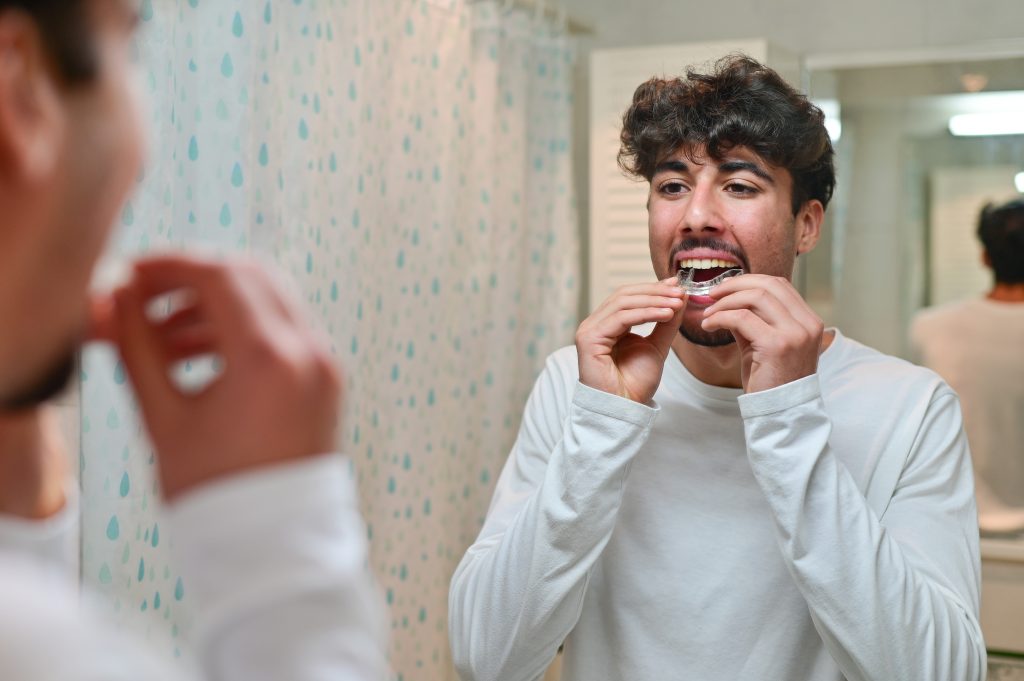
For many patients, a custom night guard helps protect the teeth and reduce wear and tear. Lanie Family Dentistry also provides occlusal splints (bite splints), which may be worn more regularly when jaw issues are contributing to discomfort. Some designs promote relaxation of the jaw muscles, which can be helpful when clenching is intense.
If you already have a night guard and it feels uncomfortable, don’t force it. A fit adjustment can make a big difference in comfort and effectiveness.
When dental restorations change your bite: crowns, inlays, and onlays
Restorative dentistry often improves comfort and function. However, even well-made dental restorations can require fine-tuning once they settle into your bite. If a new restoration sits slightly “high,” you may feel uneven pressure, soreness when chewing, or a sense that your teeth meet too soon on one side.
At Lanie Family Dentistry, we offer crowns, bridges, inlays, and onlays to restore damaged teeth and support long-term oral health. Crowns cover the entire visible portion of a tooth to bring back strength and function, while inlays and onlays repair larger areas of decay or damage. Because these restorations become part of your bite alignment, they need to fit comfortably with the surrounding teeth. A quick follow-up adjustment after dental work is common and can help you return to a balanced bite.
Missing teeth and tooth loss: why your bite can shift over time
A missing tooth affects more than the gap you see. Tooth loss can allow surrounding teeth to drift, tilt, or over-erupt, changing how your teeth meet and how your jaw closes. Over time, this can create bite issues, jaw discomfort, and a higher risk of gum disease.
In those situations, we may talk with you about dental implants or a dental bridge to restore the space and improve function. A fixed bridge can replace one or more missing teeth and is held in place by crowns on nearby teeth. Restoring the gap often supports better bite alignment and helps protect the teeth on either side from extra stress.
Treatment options for an uneven bite and misaligned bite
Because there are so many possible causes, the right dental treatment depends on what we find and your goals. Your personalized treatment plan may include a simple bite adjustment, protection for grinding, or restoring a tooth that has shifted the way your teeth meet.
Depending on your needs, treatment options may include:
- Night guards to protect teeth from grinding and reduce jaw tension
- Splint therapy with an occlusal splint for certain jaw-related concerns
- Restorative dentistry such as crowns, inlays, onlays, or bridges to correct bite changes related to damaged or missing teeth
- Orthodontic treatment (including clear aligners) to improve teeth alignment when a misaligned bite is the main driver
- Supportive care like gentle jaw exercises or coordination with physical therapy when the surrounding muscles need focused help as part of TMJ treatment
We will explain your options clearly, answer your questions, and help you choose a path that fits your comfort level and oral health goals.
How to protect your bite long-term
A stable bite often comes down to prevention and early action. Regular dental checkups give you a chance to catch wear, shifting, and gum concerns before they turn into bigger problems. If you notice your bite feels off again, don’t wait for it to “settle” on its own, especially if you feel jaw pain, muscle tenderness, or stress on one tooth.
At home, focus on steady habits that support your bite and oral health: brush and floss daily, avoid chewing ice or hard objects, and let us know if you wake up with jaw tension or headaches. Those clues help us connect the dots quickly.
Ready to get answers about your bite?
If your bite feels off, you deserve clear guidance and a calm, supportive place to start. At Lanie Family Dentistry, we take the time to get to know you, pinpoint the underlying cause, and walk you through your treatment options, whether that includes a night guard, a crown, or another restorative solution.
Contact our office to schedule an appointment. We’d love to help you get back to comfortable, confident chewing and a healthier, more balanced bite.